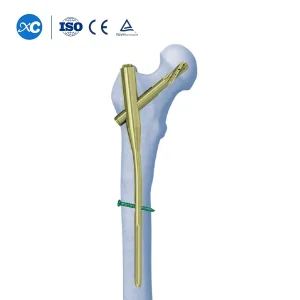
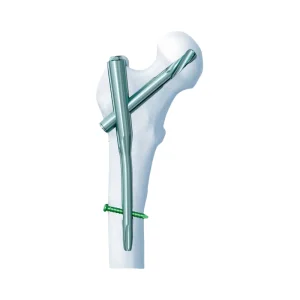
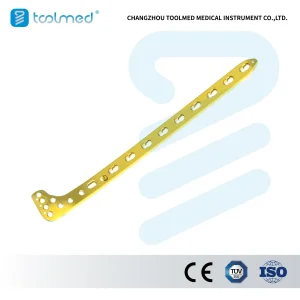
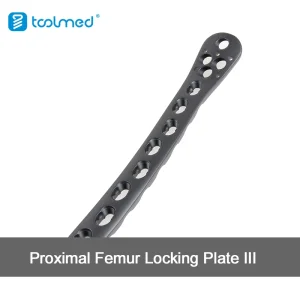
The global orthopedic market is witnessing a paradigm shift towards minimally invasive stabilization. Proximal Femur Nails (PFN/PFNA) represent the gold standard for treating pertrochanteric fractures, especially in the aging population.
Today's leading factories prioritize high-strength biocompatible materials like Titanium Alloy (Ti-6Al-4V ELI) and Stainless Steel, ensuring longevity and reducing the risk of implant rejection.
From 3D-printed custom implants to biodegradable locking mechanisms, the industry is moving towards AI-assisted surgical planning and robotic-compatible nail systems.
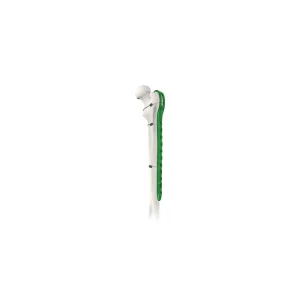
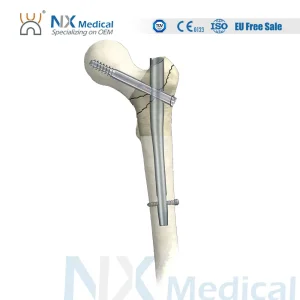
In the high-stakes world of orthopedic surgery, the Proximal Femoral Nail Antirotation (PFNA) system has revolutionized how surgeons approach hip and femoral neck fractures. As a premier Proximal Femur Nails Factory, we understand that these devices are not just hardware; they are life-altering tools that provide stability, allow for early mobilization, and significantly reduce mortality rates in geriatric patients.
The biomechanical advantage of an intramedullary nail lies in its load-sharing properties. Unlike traditional plates, the PFN is located closer to the center of gravity, which minimizes the moment arm and provides superior stability under physiological loading. This is particularly crucial for patients with osteoporosis, where bone quality is compromised.
The demand for orthopedic implants is soaring globally, driven by two major factors: an aging "silver economy" in developed nations like Japan, Germany, and the USA, and the rising incidence of high-energy trauma (road accidents) in emerging economies across Southeast Asia and Africa.
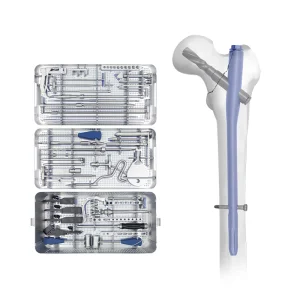
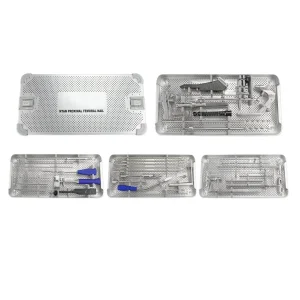
No Proximal Femur Nail is effective without the precision of its delivery system. Our factory provides not only the implants but the complete Medical Supply Orthopedic Implant Titanium Femur Pfna Intramedullary Nail Instrument Set. This set is engineered for surgeon comfort, featuring high-torque screwdrivers, precise reaming guides, and ergonomic targeting devices that ensure the distal locking screws are placed with 100% accuracy every time.
For global procurement officers, sourcing from a factory that provides a "full system" approach—implants plus instruments—reduces logistical complexity and ensures component compatibility, which is critical for patient safety.
Our company is committed to producing and selling advanced medical devices, equipment, and disposable medical supplies. Our product range primarily includes the production and sale of instruments for otolaryngology, orthopedics, urology, abdominal surgery, gynecology, and related disposable equipment. The main focus is on orthopedic devices: implants, mechanical equipment, and more.
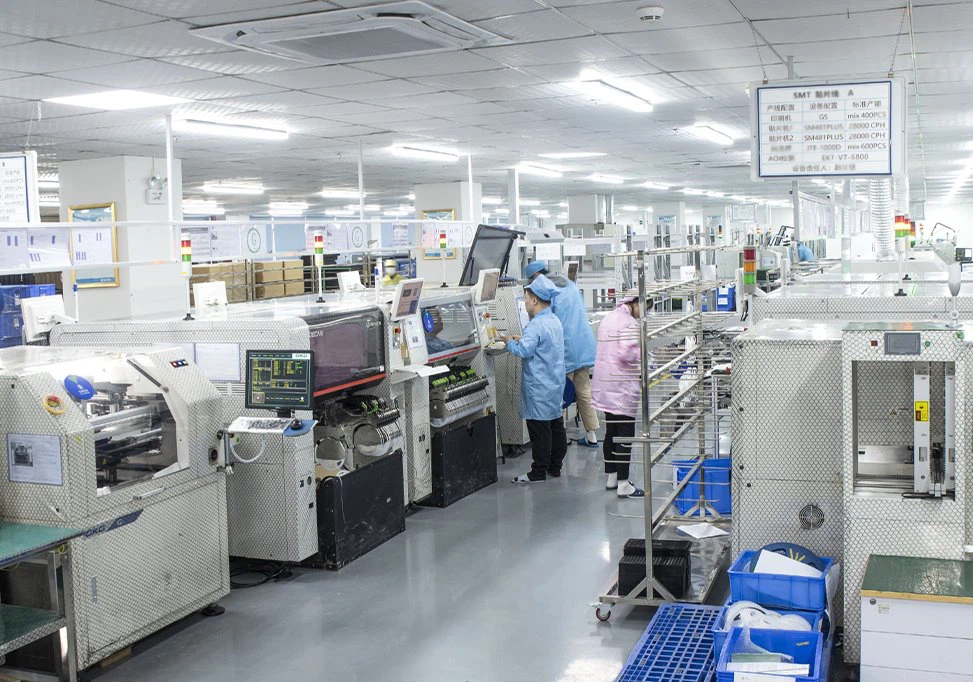
Cost-Efficiency & Scale: Operating from our 3000+ SQM facility, we leverage China's mature medical-grade titanium supply chain to offer competitive pricing without compromising the stringent quality standards required by CE and ISO.
R&D and Innovation: We aren't just a factory; we are innovators. Our team of experts is dedicated to ensuring that our products meet the highest standards of quality and safety, adapting to the latest surgical techniques like robotic-assisted surgery.
Global Logistics: With exports to over 20 countries, we understand the regulatory hurdles of different regions. We provide the documentation (CE, ISO) needed for smooth customs clearance and hospital acceptance.
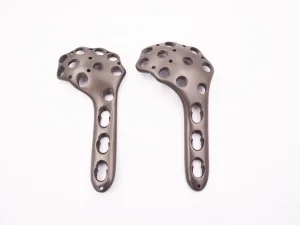
Choosing "Pure" means choosing a partner dedicated to excellence in every aspect of business. Our specialization in medical devices allows us to maintain a narrow focus on high-quality production, ensuring that every nail and plate that leaves our factory is a testament to precision engineering.
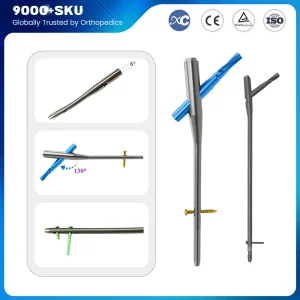
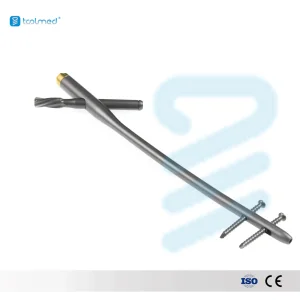
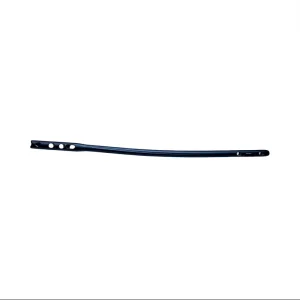
The Proximal Femur Interlocking Nail is designed to address the challenges of the subtrochanteric and pertrochanteric regions. These nails feature a specific "bending moment" optimized for the human anatomy. The proximal part of the nail usually has a larger diameter to accommodate the lag screws or helical blades, while the distal part is tapered to prevent stress concentration in the femoral shaft.
By integrating AI-driven quality control in our production lines, we ensure that the tolerances of our interlocking screws are within microns, preventing the common clinical issue of "screw back-out" or "cut-out."
 Pure Orthopedic Implants