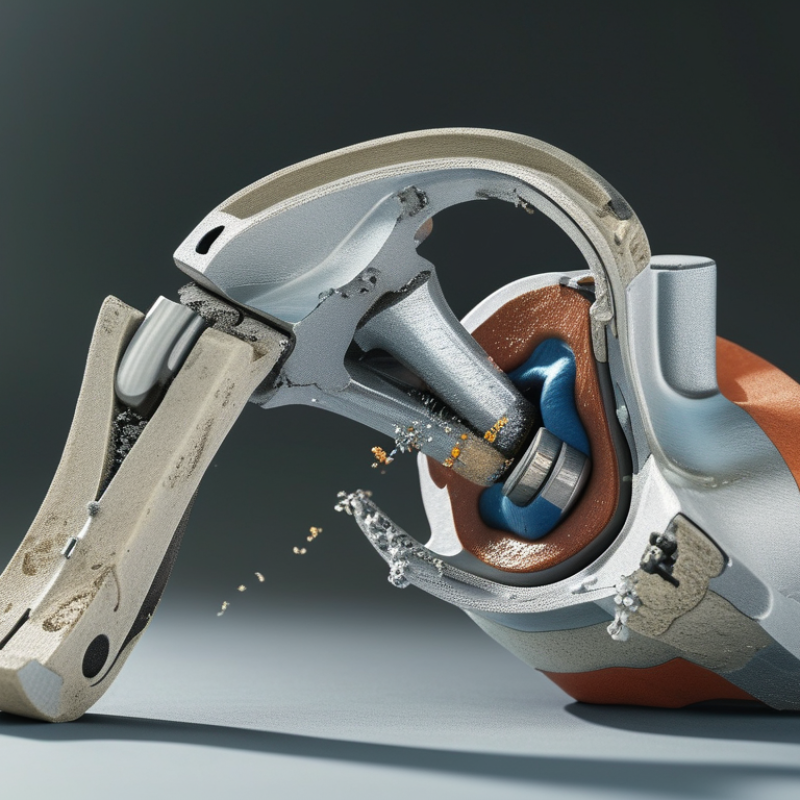
Joint implants are designed to restore movement, reduce pain, and withstand repeated loading. However, no implant remains completely unchanged forever. Every step creates forces between the implant, bone, cement, and surrounding tissue. Over many years, those forces may alter the original fixation.
What causes implants to become loose over time? The answer usually involves several interacting factors. Mechanical wear can produce tiny particles inside the joint. The immune system may react to these particles, creating inflammation and gradual bone loss. This process is often called aseptic loosening. Infection can also weaken fixation, although it follows a different biological pathway. Poor bone quality, high body weight, repeated impact, alignment problems, and implant positioning may increase stress around the joint.
Professional registries help place these concerns in context. The American Joint Replacement Registry’s 2024 Annual Report continues to track loosening and infection among important reasons for revision surgery. The National Joint Registry of England, Wales, Northern Ireland, and the Isle of Man also reports revision patterns across millions of joint procedures. These datasets show that implant survival is generally strong, but performance varies by joint, implant design, patient health, and follow-up duration.
Small symptoms matter.
A new clicking sensation, increasing pain, swelling, reduced walking distance, or a feeling of instability should not be dismissed. Still, symptoms alone cannot confirm loosening. Surgeons typically combine physical examination, X-rays, laboratory tests, and sometimes advanced imaging. This is where explanations can become imperfect: a painful implant is not always loose, and a loose implant may initially cause little pain. Careful evaluation remains essential.
An implant can feel firm when it is placed, but stability changes during healing. Primary stability comes from the implant’s initial grip in the jawbone. Secondary stability develops as bone grows closely around its surface. Both matter.
Bone quality, surgical technique, healing time, and biting pressure affect this process. An implant may appear stable while integration remains incomplete. Early chewing can disturb healing, especially in softer bone. The simple explanation is incomplete. Stability is not a permanent condition.
Long-term stability depends on healthy gums, cleanable surfaces, and balanced chewing forces. Daily plaque can trigger inflammation around the implant. Over time, this may reduce supporting bone and create mobility. Clenching, grinding, smoking, and poorly controlled health conditions can increase risk.
Regular reviews help clinicians monitor bone levels and tissue changes. They may check the bite, measure gum conditions, and take dental images when needed. A loose crown is not always a loose implant. The visible tooth may have a mechanical problem, while the implant underneath remains stable.
Do not wait.
An examination can identify the cause before more support is lost. Even careful treatment cannot remove every risk. Maintenance depends on both professional care and realistic daily habits.
Implant loosening usually begins with repeated microscopic movement. A stable implant should remain almost motionless inside bone. Poor initial fixation, incomplete bone integration, or early overloading can disrupt that stability. Each step may seem minor. Together, they can create a painful mechanical problem.
Wear debris can also trigger inflammation around the implant. This reaction may gradually dissolve supporting bone, a process called osteolysis. Misalignment increases uneven forces, especially during stairs, running, or rising from a chair. Falls, high body weight, weak bone, and repeated impact can add further stress. The National Joint Registry’s 21st Annual Report, covering more than three million procedures, continues to identify aseptic loosening among important revision causes. The Australian Orthopaedic Association National Joint Replacement Registry also tracks loosening as a major long-term failure mechanism. However, registry figures vary by joint, implant design, surgical technique, and follow-up period.
An implant may loosen when the bone around it gradually loses volume and strength. This support can weaken through peri-implantitis, untreated gum disease, smoking, poor plaque control, or excessive biting forces. The change is often silent. A patient may notice bleeding, swelling, a bad taste, or a slight movement only after damage has progressed.
The 2017 World Workshop consensus report identified peri-implantitis as a common biological complication, although reported rates vary by definition and follow-up period. A systematic review by Derks and Tomasi in the Journal of Clinical Periodontology estimated peri-implantitis affected about 20% of patients after at least five years. That figure deserves caution. Different studies use different bone-loss thresholds.
Soft tissues also change around implants. Receding tissue can expose rough surfaces, making daily cleaning harder. A loose crown may then feel like an implant problem, even when the fixture remains stable. Clinical examination, probing, bite checks, and radiographs help separate these causes.
Ten-year implant survival can exceed 90% in systematic reviews, but survival is not the same as healthy support. Small bone changes matter. A 2021 follow-up radiograph might show a modest difference, while the patient feels nothing. That is why maintenance visits remain important, even when the implant feels normal. I have found that patients often underestimate bleeding because discomfort is absent. That assumption can delay care.
Why Do Implants Become Loose Over Time?
A loose dental implant rarely fails overnight. Infection often begins quietly around the implant, where plaque irritates the surrounding gum and bone. Early signs may include bleeding during brushing, swelling, a bad taste, or tenderness when chewing. As inflammation progresses, bone can gradually recede. The implant then loses the support that once held it firmly.
Overload creates another risk. Constant clenching, teeth grinding, or chewing hard foods can place repeated stress on the implant connection. A bite that feels slightly uneven may increase pressure on one area. Small movements can damage nearby bone over time. Sometimes the problem is not obvious until the patient notices movement. That delay matters.
Poor implant care can accelerate both infection and mechanical damage. Daily brushing, cleaning between teeth, and regular professional examinations help remove plaque from difficult spaces. A clinician may also check the bite, gum condition, and bone levels through examination and imaging. Home care is not always perfect. Many people miss the back surface or use too much force. That is worth acknowledging, not hiding. Persistent bleeding, pain, or movement needs prompt assessment by a qualified dental professional, because early treatment may protect the implant and surrounding tissues.
| Contributing Factor | How It Can Cause Loosening | Typical Warning Signs | Relative Risk Pattern | Evidence-Informed Prevention and Management |
|---|---|---|---|---|
| Peri-implant infection | Bacterial inflammation can damage the soft tissue and supporting bone around an implant. Progressive bone loss reduces the stability of the implant and may eventually lead to mobility. | Redness, swelling, bleeding during cleaning, pus, persistent bad taste or odor, increasing discomfort, and gradual bone loss on dental imaging. | High when untreated or progressive | Maintain professional examinations, control plaque, treat inflammation early, stop smoking, and follow the clinician’s treatment plan. An implant that is visibly mobile requires prompt assessment. |
| Excessive biting force or overload | Repeated forces from clenching, grinding, an imbalanced bite, or chewing very hard objects can create mechanical stress at the implant–bone interface and at the prosthetic connection. | Soreness while chewing, chipping or loosening of the restoration, unusual wear marks, clicking, or movement of a crown, bridge, screw, or implant-supported denture. | Risk varies with force, design, and bone support | Address bruxism, check and adjust the bite when indicated, use a professionally prescribed night guard when appropriate, and avoid using teeth to open packages or bite hard non-food items. |
| Poor daily implant care | Inadequate removal of plaque allows inflammation to develop around the implant. Persistent inflammation can progress from soft-tissue irritation to supporting-bone loss. | Bleeding, tenderness, swelling, plaque accumulation, bad breath, or difficulty cleaning around the implant restoration. | High when plaque control is consistently poor | Brush twice daily with a soft toothbrush, clean between implants with suitable interdental aids, follow individualized instructions, and attend maintenance visits. |
| Incomplete osseointegration | If the implant does not form a stable biological connection with the surrounding bone, it may remain painful or mobile instead of becoming firmly integrated. | Persistent pain, tenderness, or mobility during the healing period; symptoms may occur without obvious gum infection. | Usually identified during healing or early function | Follow loading instructions, avoid smoking, report persistent symptoms, and attend scheduled clinical and imaging reviews before or after the restoration is placed. |
| Smoking or nicotine exposure | Smoking can impair healing, reduce blood supply, alter immune response, and increase the likelihood of inflammation and bone loss around implants. | Delayed healing, recurrent inflammation, bleeding, or progressive bone loss. Some people may have few symptoms despite disease progression. | Increased biological risk | Avoid tobacco and discuss cessation support with a qualified healthcare professional. Maintain closer professional monitoring when risk factors are present. |
| Insufficient bone volume or quality | Limited bone support can reduce the available contact area and may make the implant more vulnerable to movement or overload, especially when combined with other risk factors. | Poor stability during treatment, discomfort under function, or bone changes identified on clinical examination and imaging. | Depends on site, anatomy, and treatment planning | Use appropriate imaging and treatment planning, allow adequate healing, follow restrictions, and monitor bone levels over time. |
| Loose or fractured prosthetic components | A loose screw or damaged restoration may cause movement that feels like a loose implant. Continued use can increase wear and place additional stress on the implant system. | A mobile crown or denture, clicking, altered bite, discomfort when chewing, or a visible crack or damaged component. | Often reversible if treated promptly | Do not tighten or repair components at home. Arrange a professional examination to determine whether the restoration, screw, or implant itself is mobile. |
| Poorly controlled medical conditions | Conditions that affect healing, immunity, or bone metabolism may increase susceptibility to inflammation, delayed healing, or supporting-bone loss when not well controlled. | Recurrent inflammation, delayed healing, unusual discomfort, or changes detected during routine follow-up. | Depends on disease control and individual health | Share a complete medical history, keep relevant conditions well controlled with the treating clinician, and follow recommended maintenance and review schedules. |
| Irregular professional maintenance | Without periodic examinations and radiographs when indicated, early inflammation, bone loss, bite problems, and component wear may remain undetected until stability is affected. | Often no symptoms in the early stages; later signs may include bleeding, discomfort, bad odor, mobility, or changes in the restoration. | Risk increases when problems go unnoticed | Attend individualized maintenance appointments and seek evaluation promptly for bleeding, swelling, pain, discharge, a change in bite, or any movement. |
Important: A dental implant should not normally feel mobile. Mobility, persistent pain, swelling, bleeding, or discharge should be evaluated promptly by a qualified dental professional. The exact cause cannot be confirmed from symptoms alone and may require clinical examination and imaging.
Implants may loosen because bone gradually loses contact with the implant. Wear particles can trigger inflammation and bone loss. Infection, injury, excessive loading, or poor bone quality may also contribute. Some loosened implants cause little pain at first. Others produce deep aching, clicking, swelling, or a feeling of instability during walking.
Diagnosis begins with a detailed history and physical examination. Your clinician may compare new X-rays with earlier images. Small shifts, radiolucent lines, or changes in alignment can suggest loosening. A CT scan may show bone loss more clearly. Blood tests can screen for inflammation or infection. In some cases, doctors analyze fluid from the joint. No single test is perfect. A normal X-ray can mislead, especially when symptoms are developing slowly.
Management depends on the cause, implant location, bone condition, and your daily function. Mild symptoms may require observation, activity changes, pain control, and supervised physiotherapy. Suspected infection needs prompt specialist assessment and targeted treatment. Clear mechanical loosening often requires revision surgery, which may include removing damaged tissue and rebuilding lost bone. Recovery can be longer than the original procedure. Patients should report increasing pain, warmth, drainage, fever, or sudden instability. Even experienced clinicians sometimes need repeated imaging before the diagnosis becomes clear.
Repeated microscopic movement can weaken the implant’s contact with bone. Poor initial fixation, incomplete bone integration, or early overloading may contribute. Small problems can combine.
Yes. Wear particles may trigger inflammation around the implant. This inflammation can gradually reduce supporting bone, a process called osteolysis. The process may be slow.
Possible signs include deep aching, clicking, swelling, reduced movement, or instability while walking. New pain during stairs or standing deserves attention. Symptoms can appear gradually.
A fall, repeated impact, high body weight, or weak bone can increase mechanical stress. Running and rising from a chair may expose alignment problems. Not every painful activity means loosening.
Diagnosis usually includes a medical history and physical examination. Clinicians may compare new X-rays with earlier images. CT scans can show bone loss more clearly.
Yes. Early loosening may not appear clearly on an X-ray. Blood tests, fluid analysis, or repeated imaging may help. Diagnosis is not always tidy.
Mild symptoms may require observation, activity changes, pain control, and supervised physiotherapy. Clear mechanical loosening may require revision surgery. Recovery can take longer than the original procedure.
Report increasing pain, warmth, drainage, fever, or sudden instability. These symptoms may indicate infection or another complication. Please do not wait for severe pain.
Implant stability depends on strong integration with the surrounding bone, healthy soft tissue, and the proper function of the implant components. What causes implants to become loose over time may include mechanical problems such as a worn or fractured connecting part, insufficient tightening, or repeated stress from biting and chewing. When an implant is exposed to excessive force, especially from teeth grinding or an uneven bite, its supporting structures may gradually weaken.
Bone loss and tissue changes can also reduce the foundation that holds the implant in place. Infection around the implant may cause inflammation and progressive loss of supporting bone, while poor cleaning habits can increase this risk. Loose implants may cause discomfort, movement, changes in the bite, or difficulty chewing, although some cases show few early symptoms. Diagnosis usually involves a clinical examination, stability testing, and imaging. Treatment depends on the cause and may include improving hygiene, adjusting the bite, treating infection, repairing components, or removing and replacing the implant when support cannot be restored.

Pure Orthopedic Implants