Top 10 Signs Your Body Is Rejecting an Orthopedic Implant?

Time:2026-09-25 Author:Liam
0%

Can the body reject orthopedic implants? In rare cases, the immune system may react to implant materials, but true rejection is uncommon. More often, pain, swelling, or reduced movement signals infection, loosening, wear, or an alignment problem. These conditions can appear similar, especially during the early recovery period.

A warm incision, increasing redness, drainage, fever, or pain that worsens after improvement deserves prompt medical attention. A clicking joint, new instability, or difficulty bearing weight also needs assessment. Imagine a knee that feels hot around the metal, or a hip that suddenly catches while walking. These details matter. They can help an orthopedic specialist distinguish normal healing from a serious complication.

This guide, “Top 10 Signs Your Body Is Rejecting an Orthopedic Implant,” explains warning signs without treating them as proof of rejection. Blood tests, imaging, cultures, and physical examination may be needed. A surgeon may also review the implant’s material, placement, and surgical history. Symptoms alone cannot confirm the cause.

Some explanations may remain uncertain.

That uncertainty matters. Patients sometimes wait because discomfort seems manageable, yet delayed evaluation can complicate treatment. Contact your orthopedic team when symptoms persist, intensify, or change unexpectedly. Seek urgent care for severe swelling, breathing difficulty, chest pain, confusion, or uncontrolled bleeding. This information supports informed conversations with qualified clinicians, not self-diagnosis or decisions about removing an implant.
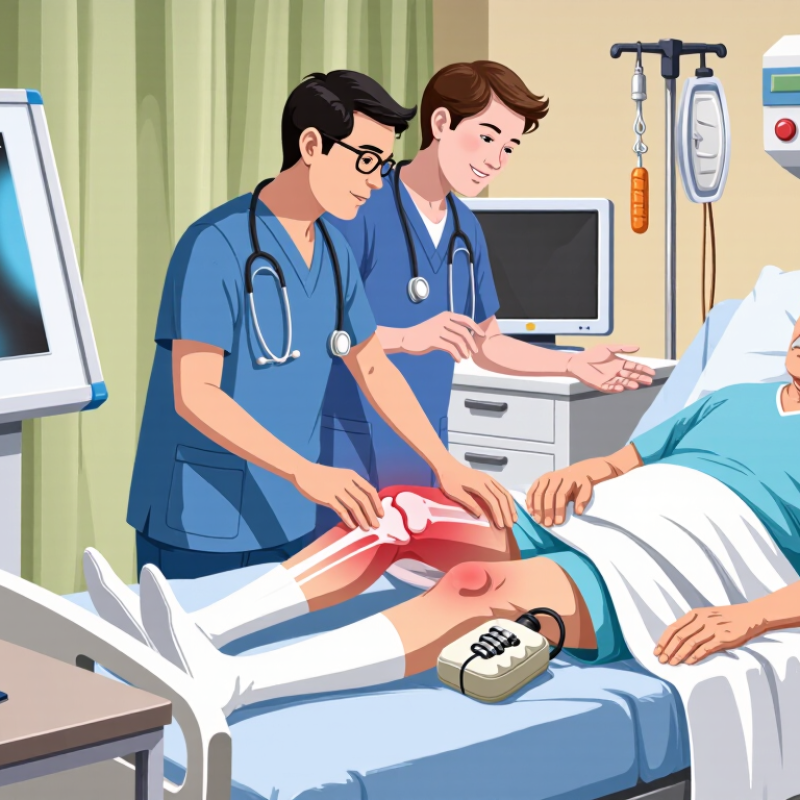
Top 10 Signs Your Body Is Rejecting an Orthopedic Implant?

What It Means When the Body Reacts Poorly to an Orthopedic Implant

What It Means When the Body Reacts Poorly to an Orthopedic Implant

An orthopedic implant can trigger problems when tissues become inflamed, infected, unstable, or poorly aligned. Warning signs include persistent pain, increasing swelling, warmth, redness, and fluid draining from the incision. Fever may also appear. These symptoms do not always prove implant rejection. Pain is not a perfect alarm. Still, worsening discomfort deserves medical attention, especially when it disturbs sleep or daily movement.

Other signs include reduced joint motion, new numbness, unusual weakness, repeated joint slipping, and a grinding or clicking sensation. Some clicking can occur during normal healing, so context matters. Clinicians usually review the surgical history, examine the joint, and use imaging or blood tests when needed. A reaction may involve infection, allergic sensitivity, loosening, bone damage, or another condition unrelated to the implant. The body does not always explain itself neatly.

Tips: Track pain, temperature, swelling, movement, and drainage each day. Photograph changes when appropriate. Keep scheduled follow-up visits, even when symptoms seem minor. Do not remove dressings, alter medication, or delay care without professional advice. Seek urgent medical help for severe pain, sudden weakness, breathing difficulty, confusion, or rapidly spreading redness. Honest details help clinicians make safer decisions.

Early Warning Signs of Implant Rejection or Complications

Top 10 Signs Your Body Is Rejecting an Orthopedic Implant?
Early Warning Signs of Implant Rejection or Complications

“Rejection” can be a misleading term: orthopedic implants do not usually trigger organ-transplant-style rejection. More often, symptoms point to infection, loosening, wear, or—in rare cases—metal sensitivity. The American Academy of Orthopaedic Surgeons reports that infection affects about 1% of joint-replacement patients. Watch for increasing pain after initial improvement, new warmth or redness, persistent swelling, wound drainage, fever, or chills. A joint that suddenly feels unstable or difficult to bear weight on also deserves prompt assessment.

Some soreness and bruising are expected after surgery. The trend matters. Pain that worsens, a wound that will not close, or cloudy drainage should not be dismissed as routine healing. Contact your surgeon promptly about these changes, especially with fever or spreading redness. Severe symptoms need urgent medical attention. A clinician may examine the joint and order blood tests or imaging; one symptom alone cannot confirm implant failure.

Tips: Keep a simple daily note of pain, temperature, swelling, and walking ability. Photograph visible changes, and bring your medication list to appointments. Don’t stop prescribed medicines or wait for a scheduled visit if symptoms are rapidly worsening. Be honest about uncertainty; small details can help your care team decide what to check next.

Top 10 Signs Your Body Is Rejecting an Orthopedic Implant?

Early warning signs of implant-related infection, loosening, instability, nerve problems, or other complications

How to interpret this chart: The action level reflects general clinical urgency, not the likelihood of a complication. Persistent or worsening pain, swelling, warmth, drainage, fever, instability, or reduced movement should be assessed by an orthopedic professional. Calf swelling with chest pain or shortness of breath requires emergency care. “Implant rejection” is uncommon; these symptoms more often indicate infection, loosening, instability, allergic reaction, or another complication.

Pain, Swelling, and Mobility Changes Around the Implant

Pain, swelling, and reduced movement around an orthopedic implant deserve attention, but they do not automatically mean the body is “rejecting” it. A sore day can happen. After joint replacement, swelling and stiffness may fluctuate during recovery; a worsening trend matters more than one difficult morning. New pain when standing, warmth or redness around the joint, or swelling that keeps increasing should be discussed with a clinician. AAOS patient guidance estimates infection after joint replacement at about 1%. The UK National Joint Registry’s 2024 annual report tracks outcomes and revisions across more than four million procedures, showing why ongoing follow-up matters.

Notice what changes. Can you walk farther than last week, or has a short trip to the kitchen become harder? Does the joint feel newly unstable, catch, or give way? A limp that persists, declining range of motion, or pain that returns after improvement can warrant assessment for causes such as infection or implant loosening. These symptoms alone cannot identify the cause. It is easy to blame a bad week on overdoing it; that guess can be wrong. Contact the treating team promptly for worsening symptoms, and seek urgent care for fever, wound drainage, or sudden inability to bear weight.

Skin, Wound, and Whole-Body Symptoms to Monitor

Redness after orthopedic surgery can be part of normal healing, especially near the incision. Pay attention to changes instead. A warm patch that spreads, increasing swelling, or pain that worsens after it had been improving deserves a call to your surgical team. So does thick drainage, a new odor, or a wound that opens. A little clear fluid can occur, but appearance alone cannot identify the cause.

Watch the skin around the incision and the rest of your body. A rash, blisters, or persistent itching may point to irritation or an uncommon sensitivity, but these signs do not prove the implant is being rejected. Fever, chills, unusual fatigue, or feeling generally unwell can accompany an infection or another problem. An implant may also loosen or become infected without a dramatic skin change. That part is easy to miss. Keep track of when symptoms began, your temperature, and any changes in pain or drainage; a quick note on your phone can help at an appointment.

Contact your surgeon promptly for worsening redness, drainage, fever, or a wound that is opening. Seek urgent care for severe symptoms, such as difficulty breathing, confusion, or rapidly spreading redness. Don’t wait for every sign to appear. Only a clinician can assess the cause, using an examination and, when needed, tests or imaging.

How Doctors Diagnose and Manage Suspected Implant Problems

Doctors rarely diagnose “rejection” from symptoms alone. Pain, warmth, swelling, or a new limp can signal infection, loosening, fracture, or another problem. Metal allergy is possible, but it is uncommon and difficult to confirm. The National Joint Registry’s 20th Annual Report tracked more than 3.2 million joint replacement procedures, showing why long-term follow-up matters. A symptom is a clue, not a verdict.

A clinician will ask when symptoms began and whether they are worsening. They may examine the joint, check the incision, and compare current X-rays with earlier images. Blood tests such as ESR and CRP can help identify inflammation. If infection is suspected, doctors may draw fluid from the joint for cell counts and culture. That step matters. A negative test does not always settle the question, especially after antibiotics.

Treatment depends on the cause, implant stability, and the patient’s health. Some patients need monitoring, pain management, or targeted treatment for infection. Others may require surgery to remove or replace components. The American Academy of Orthopaedic Surgeons notes that infection affects about 1% to 2% of joint replacement patients. Still, individual risk varies. Bring a list of symptoms and medications to appointments; small details, like drainage or chills, can change the diagnostic plan.

Top 10 Signs Your Body Is Rejecting an Orthopedic Implant? — How Doctors Diagnose and Manage Suspected Implant Problems

Possible Sign What It May Indicate How Doctors Evaluate It Typical Management
1. Persistent or worsening pain Pain that does not improve as expected, or returns after a period of improvement, can have several causes, including infection, loosening, fracture, or soft-tissue problems. Pain alone does not establish implant rejection. Review of the operation and symptom timeline; physical examination; X-rays and, when appropriate, CT or other imaging. Blood tests or joint-fluid testing may be considered if infection is suspected. Management depends on the cause. It may include observation, activity changes, pain treatment, further testing, or treatment for infection or mechanical problems.
2. Increasing swelling around the joint or surgical area Swelling can occur during normal recovery, but new, persistent, or increasing swelling may be associated with inflammation, infection, bleeding, or implant-related mechanical problems. Examination and comparison with the expected recovery course; imaging and, if needed, blood tests or aspiration of joint fluid. Treatment is guided by the cause. A clinician may recommend monitoring, further investigations, or targeted treatment. Do not start leftover antibiotics or anti-inflammatory medicines without medical advice.
3. Redness or unusual warmth Redness and warmth can be signs of infection or inflammation, although mild warmth may occur during healing. Their significance depends on timing, severity, and other symptoms. Inspection of the skin and incision; assessment for tenderness, drainage, and fever; possible inflammatory blood tests and imaging. Prompt medical assessment is important if redness is spreading, worsening, or accompanied by fever or drainage. Suspected deep infection may require specialist evaluation and targeted treatment.
4. Fever, chills, or feeling unusually unwell These symptoms may indicate infection, including an infection involving the implant, but can also have other causes. A normal temperature does not rule out an implant infection. Medical history and examination; blood tests and cultures when appropriate; imaging or joint-fluid sampling if an implant infection is suspected. Seek prompt medical advice, especially when fever accompanies increasing pain, redness, swelling, or wound drainage. Treatment depends on test results and may involve antibiotics and specialist care.
5. Fluid, pus, or persistent drainage from the incision Ongoing drainage, pus, or a wound that reopens can be concerning for infection or a wound-healing complication. Wound examination and assessment of how long drainage has been present; clinicians may obtain blood tests, cultures, or joint-fluid samples. Contact the treating surgical team promptly. Keep the area clean and covered as instructed; do not squeeze the wound or apply unprescribed creams. Urgent evaluation may be needed.
6. Reduced movement or worsening stiffness Stiffness may follow surgery, but worsening movement can also be related to pain, swelling, infection, scar tissue, or a mechanical issue. Assessment of range of motion and function; review of rehabilitation progress; X-rays or additional tests depending on the examination. A clinician may adjust rehabilitation or investigate and treat the underlying cause. Do not force painful movement without guidance from the care team.
7. New instability, giving way, or a feeling that the joint is shifting This can be associated with weakness, soft-tissue problems, implant position, or loosening. It requires evaluation rather than self-diagnosis. Physical examination and X-rays; CT or other imaging may be used to assess implant position, bone, and surrounding structures. Use fall-prevention measures and contact the treating clinician. Treatment may range from rehabilitation or support to a procedure, depending on the findings.
8. New or increasing clicking, grinding, or clunking Some joints can make noises without a serious problem, but a new sound accompanied by pain, instability, or reduced function may warrant assessment. History and physical examination; imaging to check alignment, implant components, and surrounding bone when indicated. Report persistent or painful noises to the care team. Treatment depends on whether examination identifies a mechanical or soft-tissue cause.
9. Failure of a fracture or bone to heal as expected Persistent pain at a fracture site or lack of expected healing may reflect delayed healing or nonunion, infection, inadequate stability, or other bone-health factors—not necessarily rejection. Follow-up X-rays and sometimes CT; review of symptoms, activity, medications, and factors that can affect bone healing. Infection tests may be ordered if indicated. The clinician may modify activity or weight-bearing, address contributing factors, or discuss additional treatment. Decisions are based on imaging and the individual clinical situation.
10. Persistent rash or skin irritation near the implant Metal sensitivity is uncommon and can be difficult to distinguish from other skin or implant problems. A rash does not by itself prove an allergy or implant rejection. Examination and review of other possible causes, such as infection, medication reactions, or skin disease. Allergy testing may be considered selectively; results must be interpreted with symptoms and other findings. A clinician may refer the patient to dermatology or allergy specialists and assess other causes first. Implant revision is not usually based on a test result alone.

Important: True immune rejection of orthopedic implants is uncommon. Pain, swelling, warmth, and stiffness have many possible causes, and no single symptom confirms rejection. Seek urgent medical care for severe or rapidly worsening symptoms, high fever with feeling very unwell, heavy wound drainage, or sudden inability to bear weight. Contact the treating surgical team for new or persistent concerns.

FAQS

Does pain mean my orthopedic implant is being rejected?

Not necessarily. Pain may come from healing, infection, loosening, fracture, or another condition. A worsening pattern matters more than one sore day. A clue, not proof.

Which changes around the implant should I watch for?

Notice increasing swelling, warmth, redness, drainage, or pain. Track whether walking, standing, or bending becomes harder. A limp that persists also deserves attention.

When should I seek urgent medical care?

Seek urgent help for severe pain, sudden weakness, breathing difficulty, confusion, or rapidly spreading redness. Fever, wound drainage, or sudden inability to bear weight also need prompt care.

What details should I record before an appointment?

Write down pain, temperature, swelling, movement, and drainage each day. Note how far you can walk. Photos may help show changes. Small details matter.

How do doctors check for an implant problem?

They may review your symptoms, examine the joint and incision, and compare X-rays. Blood tests can check for inflammation. If infection is suspected, they may test joint fluid.

Can tests completely rule out infection?

Not always. Results need to be considered with your symptoms and examination. Antibiotics taken before testing may affect some results. The answer can remain unclear.

Could an allergy to implant materials cause symptoms?

It is possible, but uncommon and difficult to confirm. Similar symptoms can have other causes, so symptoms alone cannot establish an allergy.

Does clicking or an unstable feeling always mean the implant is loose?

No. Some clicking can occur during normal healing. New slipping, repeated giving way, or declining movement should be discussed with your clinician. Context matters.

What treatments might be considered?

Treatment depends on the cause, implant stability, and your health. Options may include monitoring or targeted care. Some people need surgery to remove or replace components.

Conclusion

Can the body reject orthopedic implants? In some cases, the body may react poorly to an implant, although symptoms can also point to infection, loosening, wear, or other complications rather than true rejection. Early warning signs may include new or worsening pain, persistent swelling, warmth, tenderness, or reduced movement around the affected joint. These changes can interfere with everyday activities and may develop gradually or appear after a period of improvement.

Pay attention to skin and wound changes, such as redness, drainage, delayed healing, or a wound that reopens. Fever, chills, or feeling generally unwell may also require prompt medical attention. A healthcare professional can assess symptoms, review your medical history, examine the area, and use imaging or laboratory tests to identify the cause. Treatment depends on the diagnosis and may involve monitoring, medication, or further procedures. Do not assume the implant is being rejected or try to manage concerning symptoms on your own; seek medical advice for persistent or worsening changes.

Liam

Liam

Liam is a dedicated marketing professional with a profound expertise in the industry, where he excels at highlighting the unique advantages of our core products. With a keen understanding of market trends and consumer needs, Liam frequently updates our company’s professional blog, providing......