2026 Best Signs of a Failed Orthopedic Implant?

Time:2026-09-20 Author:Liam
0%

Understanding What are the signs of a failed orthopedic implant requires more than noticing one painful movement. Orthopedic surgeon Dr. Geoffrey Westrich has stated, “The most common symptom of a failed joint replacement is pain.” Persistent pain deserves attention, especially when it increases after a period of improvement. Pain at rest, night pain, or discomfort while walking may indicate loosening, wear, infection, or surrounding tissue damage.

Other warning signs can appear beside pain. Watch for new swelling, warmth, redness, drainage, fever, instability, unusual clicking, limb-length changes, or declining movement. A knee may suddenly buckle. A hip may feel unstable during turning. An ankle implant may become painful on uneven ground. These details matter during clinical assessment.

The pattern is not always tidy.

Some implants fail gradually. Others become symptomatic after a fall, infection, or heavy mechanical stress. A single click does not prove failure, and mild soreness can occur during recovery. Still, worsening symptoms should not be explained away without examination. X-rays, blood tests, infection studies, or advanced imaging may be necessary. The correct evaluation depends on the implant type, surgical history, and timing of symptoms.

Patients often remember pain but forget small functional changes. That is a weakness in self-assessment. Note when symptoms began, what activities trigger them, and whether swelling or fever appears. Contact the operating surgeon or a qualified orthopedic specialist when symptoms persist or progress. Urgent care is appropriate for severe pain, sudden loss of function, wound drainage, or systemic illness. This article introduces the evidence-based warning signs without treating every uncomfortable joint as a failed implant.
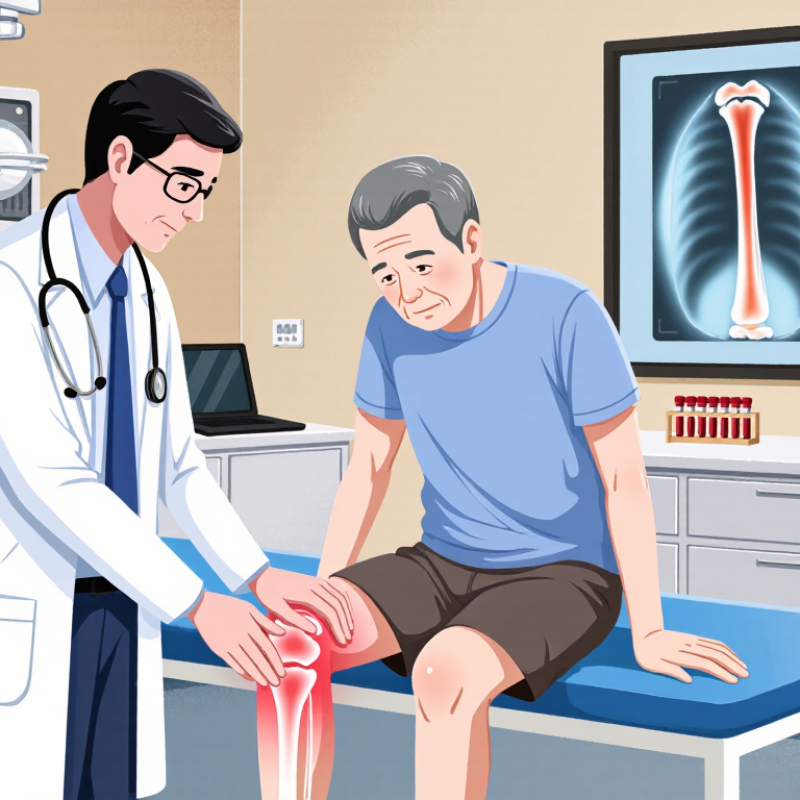
2026 Best Signs of a Failed Orthopedic Implant?

What Is a Failed Orthopedic Implant?

A failed orthopedic implant is an artificial joint, plate, screw, or other device that no longer works safely or as intended. It may cause persistent pain, instability, reduced movement, or difficulty bearing weight. Failure does not always mean the implant has completely broken. Pain matters. However, pain can also come from muscles, nerves, scar tissue, or another condition. Some patients have serious implant problems with only mild symptoms.

Common causes include loosening, infection, bone fracture, poor alignment, repeated dislocation, and gradual material wear. A loose component may create deep pain during walking or climbing stairs. Infection can cause warmth, swelling, drainage, fever, or unexplained fatigue. Sometimes, the signs are subtle. That is where judgment becomes difficult. A single symptom rarely proves implant failure.

An orthopedic specialist usually reviews the surgical history, symptom pattern, physical findings, and imaging studies. X-rays may show movement, bone loss, or a broken component. Blood tests, joint fluid analysis, or advanced scans may be needed when infection or hidden damage is suspected. A normal X-ray does not always exclude a problem. Experienced clinicians may revise their initial opinion as new evidence appears. Treatment depends on the cause and may include observation, medication, rehabilitation, infection care, or revision surgery. Seek medical assessment when pain increases, the joint becomes unstable, or new swelling and redness develop.

Early Warning Signs of Orthopedic Implant Failure

Early Warning Signs of Orthopedic Implant Failure

Pain that gradually increases after initial recovery deserves attention. A sudden return of deep pain during walking, climbing stairs, or resting may signal loosening, wear, or bone changes around the implant. New swelling, warmth, redness, or drainage can suggest inflammation or infection. Fever makes the concern more urgent. Do not ignore it.

Other warning signs include clicking, grinding, joint instability, or a feeling that the limb may give way. A noticeable change in limb length, reduced motion, or difficulty bearing weight also matters. Not every ache means implant failure. Recovery can be uneven, and overuse may cause temporary soreness. Still, persistent or worsening symptoms should be assessed by an orthopedic professional. Evaluation may include a physical examination, X-rays, blood tests, or other imaging. One imperfect assumption is waiting for severe pain; some implant problems develop quietly.

Tips: Track pain, swelling, movement, and activity levels each day. Compare changes rather than relying on memory. Avoid suddenly increasing exercise or ignoring new instability. Contact your surgical team promptly if symptoms persist, worsen, or affect sleep. Seek urgent medical care for heavy drainage, severe swelling, fever, chest pain, or sudden shortness of breath. Keep follow-up appointments, even when the joint feels mostly normal.

2026 Best Signs of a Failed Orthopedic Implant?

Early Warning Signs of Orthopedic Implant Failure

Persistent or worsening pain, new swelling or warmth, wound drainage, instability, mechanical clicking or locking, and reduced range of motion can indicate infection, loosening, wear, dislocation, or other implant-related complications. Fever, drainage, rapidly increasing swelling, or sudden loss of function requires prompt medical assessment. These warning levels are clinical triage categories, not diagnostic scores.

Common Causes and Risk Factors

2026 Best Signs of a Failed Orthopedic Implant?

A failed orthopedic implant may cause pain that steadily increases after an initial recovery. New swelling, warmth, drainage, or fever can signal infection. A new limp, reduced movement, clicking, or a feeling of instability also deserves medical attention. Pain alone is an imperfect signal. Some patients improve slowly, while others have minimal symptoms despite implant problems.

Common causes include infection, loosening, mechanical wear, poor alignment, bone fracture, and repeated stress on the joint. Risk may increase with smoking, diabetes, weak bone, obesity, poor nutrition, or an injury after surgery. Incomplete rehabilitation can matter too, although recovery plans are not always easy to follow. Clinicians usually review symptoms, examine movement, and use imaging or laboratory tests before deciding whether an implant has failed. Self-diagnosis can be misleading.

Tips: Track pain, swelling, temperature, movement, and activity levels each day. Contact your orthopedic clinician promptly if symptoms worsen, the wound drains, or fever develops. Avoid suddenly increasing exercise or ignoring persistent instability. Bring your medication list and symptom notes to appointments. Small details may help reveal a pattern.

2026 Best Signs of a Failed Orthopedic Implant? - Common Causes and Risk Factors
Category Possible Sign or Factor What It May Indicate Common Causes or Risk Factors Typical Clinical Evaluation Urgency
Warning Sign Persistent or worsening pain after the expected recovery period Loosening, infection, fracture, instability, or another condition affecting the implant or surrounding tissues Mechanical wear, poor bone integration, infection, overuse, trauma, or an unrelated source of pain Medical history, physical examination, comparison with earlier symptoms, and X-rays; additional imaging may be required Prompt assessment
Warning Sign New or increasing swelling, warmth, redness, or drainage Possible surgical-site or deep periprosthetic infection Bacterial contamination, wound problems, immune suppression, diabetes, obesity, or a later bloodstream infection Examination, inflammatory blood tests, imaging, and joint-fluid aspiration when clinically appropriate Urgent assessment
Warning Sign Fever, chills, night sweats, or feeling generally unwell Possible infection involving the implant or another body system Acute or chronic implant-associated infection; infection elsewhere that spreads through the bloodstream Vital signs, blood tests, cultures when indicated, and evaluation of the implant site Urgent assessment
Warning Sign Instability, giving way, clicking, or a sensation that the joint is slipping Dislocation, component malposition, soft-tissue failure, or loss of fixation Trauma, muscle weakness, inadequate soft-tissue tension, implant wear, or component positioning issues Physical examination and standing or dynamic radiographs; advanced imaging may be used for complex cases Prompt assessment
Warning Sign Reduced range of motion, stiffness, or a new change in limb function Scar-tissue formation, implant loosening, wear debris, infection, or muscle and tendon problems Limited rehabilitation, inflammation, component impingement, chronic infection, or progressive wear Range-of-motion testing, X-rays, and assessment of tendons, muscles, and adjacent joints Clinical review
Warning Sign Leg-length change, limb deformity, or altered alignment Component migration, subsidence, fracture, wear, or failure of fixation Bone loss, poor implant positioning, falls, high mechanical loads, or progressive loosening Comparison of current and previous radiographs; CT may help define bone and component position Prompt assessment
Warning Sign Sudden loss of function after a fall, impact, or unusual load Periprosthetic fracture, dislocation, tendon rupture, or acute component damage Trauma, osteoporosis, reduced balance, muscle weakness, or an implant already affected by loosening Urgent examination and X-rays; CT is often considered when a fracture pattern is unclear Emergency evaluation
Common Cause Aseptic loosening Loss of stable attachment between the implant and surrounding bone without an active infection Long-term mechanical stress, bone remodeling, wear particles, poor initial fixation, or reduced bone quality Serial radiographs, examination, and selected laboratory or nuclear imaging tests to help exclude infection Specialist review
Common Cause Periprosthetic joint infection Infection involving the tissues or joint space around an orthopedic implant Early surgical contamination, delayed wound healing, bacteremia, diabetes, immunosuppression, or previous surgery Blood tests, radiographs, aspiration for cell count and culture, and coordinated specialist assessment Urgent assessment
Common Cause Polyethylene or other bearing-surface wear Progressive material loss that can contribute to inflammation, bone loss, or loosening Long implant duration, high activity levels, alignment problems, excessive loading, or component wear Routine follow-up imaging, evaluation of osteolysis, and assessment of changing pain or function Regular monitoring
Common Cause Periprosthetic fracture A break in the bone around or near an orthopedic implant Falls, osteoporosis, bone loss, stress concentration, previous revision surgery, or implant loosening Immediate radiographs and often CT; evaluation of implant stability and bone quality guides treatment Emergency evaluation
Common Cause Dislocation or recurrent instability Loss of normal joint congruence or repeated failure of the joint to remain stable Soft-tissue weakness, trauma, component orientation, muscle imbalance, or previous dislocation Physical examination and radiographs; further assessment may be needed for recurrent episodes Prompt assessment
Patient Risk Factor Diabetes or poor blood-glucose control Higher risk of wound complications and infection, particularly when control is inadequate Impaired immune response, reduced circulation, and delayed tissue healing Medical history, glucose or HbA1c assessment, wound review, and infection evaluation when symptoms occur Risk reduction needed
Patient Risk Factor Smoking or nicotine exposure Increased risk of impaired healing, infection, and poor bone integration in some procedures Reduced blood flow, impaired bone-forming activity, and effects on immune and tissue function Smoking history, counseling, and optimization before and after surgery Modifiable risk
Patient Risk Factor Obesity or high mechanical loading Greater stress on the implant and surrounding bone, with possible effects on wound healing and mobility Increased joint loads, difficulty with rehabilitation, inflammation, and higher risk of falls or wound problems Weight and functional assessment, individualized exercise planning, and management of related conditions Risk reduction needed
Patient Risk Factor Osteoporosis or poor bone quality Reduced support for fixation and increased susceptibility to fracture Age-related bone loss, endocrine disorders, long-term corticosteroid use, low calcium or vitamin D status Fracture-risk review, bone-density testing when appropriate, and medical management of bone health Clinical review
Patient Risk Factor High-impact activity, repetitive overload, or premature return to strenuous work Increased wear, instability, stress injury, or delayed recovery Running and jumping after joint replacement, heavy lifting, repetitive occupational loads, or inadequate rehabilitation Activity review, functional examination, and imaging if pain or loss of function develops Individual assessment
Follow-Up Indicator Progressive change on follow-up imaging Possible migration, radiolucent lines, osteolysis, wear, fracture, or alignment change Mechanical stress, wear-related bone loss, loosening, infection, or trauma Comparison with prior images is essential; the meaning depends on implant type, timing, symptoms, and clinical findings Specialist review

Important: Pain or an abnormal imaging finding does not by itself prove implant failure. Diagnosis usually requires a combination of symptoms, physical examination, serial imaging, and laboratory or joint-fluid testing when infection is suspected. Sudden severe pain, inability to bear weight, deformity, heavy drainage, or fever with worsening joint symptoms requires urgent medical attention.

How Implant Failure Is Diagnosed

Diagnosing a failed orthopedic implant requires more than noticing pain. A clinician reviews your surgical history, symptom timeline, and daily limitations. New swelling, clicking, instability, or reduced movement may suggest loosening, infection, wear, or fracture. However, these signs can overlap with tendon problems or spinal pain. A warm incision, drainage, fever, or sudden inability to bear weight needs prompt medical assessment.

The evaluation usually combines a physical examination with standing X-rays. Earlier images help reveal migration, bone loss, alignment changes, or a fracture around the implant. CT scans can show subtle bone defects, while MRI or ultrasound may assess nearby soft tissues. Blood tests, including inflammatory markers, can support infection screening. Joint aspiration may be needed for cell counts and cultures. No single test proves failure. A first impression can be wrong. Careful diagnosis often requires repeated imaging and specialist review.

Tips: Record when pain appears, such as during stairs or at night. Note swelling, clicking, temperature changes, and walking distance. Bring previous scan reports and a complete medication list. Do not ignore worsening symptoms or rely on online images alone. Ask which diagnosis is most likely, what remains uncertain, and whether another opinion is appropriate. Clear questions improve clinical decisions.

Treatment Options and Revision Surgery

A failed orthopedic implant may cause persistent pain, swelling, reduced movement, or a new clicking sensation. However, symptoms alone cannot confirm failure. In practice, an orthopedic specialist reviews your medical history, examines the joint, and orders X-rays or other imaging. Blood tests may help detect infection. Sometimes, an implant looks stable while surrounding bone has weakened. Other times, pain comes from muscles or nerves instead.

Treatment depends on the cause, implant location, bone quality, and your overall health. Mild symptoms may improve with supervised physical therapy, activity changes, or carefully selected medication. These options require monitoring. They should not hide worsening pain. Infection, loosening, fracture, or major wear often requires revision surgery. During revision, the surgeon removes damaged components, cleans infected tissue, and rebuilds lost bone when necessary. Some cases need staged surgery, especially when infection is suspected. Recovery can be slower than the first operation.

Tips: Keep a record of pain, swelling, temperature, and walking changes. Bring prior imaging and medication details to every appointment. Seek urgent medical attention for fever, wound drainage, sudden instability, or severe calf swelling. Do not assume every painful implant has failed. That assumption can delay the correct diagnosis. Even experienced teams sometimes revise the treatment plan after new imaging or laboratory results appear. Clear questions and regular follow-up can prevent small concerns from becoming larger problems.

FAQS

What does a failed orthopedic implant mean?

It means an artificial joint, plate, screw, or device no longer works safely or as intended. It may cause pain, instability, reduced movement, or difficulty bearing weight. Complete breakage is not required.

Does pain always prove implant failure?

No. Pain may come from muscles, nerves, scar tissue, or another condition. Still, increasing deep pain during walking, stair climbing, or rest needs medical assessment. Pain matters.

Which symptoms may signal an implant problem?

Warning signs include worsening pain, swelling, warmth, redness, drainage, clicking, grinding, or joint instability. A limb may feel weak or suddenly give way. These signs are not proof, but they deserve attention.

What symptoms could suggest infection?

Warmth, swelling, redness, drainage, fever, and unusual fatigue may indicate infection. Symptoms can be subtle. Seek prompt medical care, especially when fever or drainage appears.

How do specialists check a possibly failed implant?

They review the surgical history, symptom pattern, physical findings, and imaging. Tests may include X-rays, blood work, joint-fluid analysis, or advanced scans. One test may not reveal everything.

Can a normal X-ray rule out implant failure?

No. A normal X-ray does not always exclude hidden damage, early loosening, infection, or other problems. Clinicians may change their opinion after new evidence appears.

What should I track at home before an appointment?

Record pain, swelling, movement, walking ability, and daily activity. Note whether symptoms affect sleep or stair climbing. Compare changes over several days. Memory can mislead.

What treatments may be considered?

Treatment depends on the cause. Options may include observation, medication, rehabilitation, infection care, or revision surgery. Do not suddenly increase exercise while symptoms worsen.

When should urgent medical care be sought?

Seek urgent care for heavy drainage, severe swelling, fever, chest pain, or sudden shortness of breath. Contact the surgical team when instability or worsening pain persists. Waiting for severe pain may be a mistake.

Conclusion

A failed orthopedic implant occurs when an artificial joint, bone fixation device, or other orthopedic hardware no longer functions properly or causes ongoing problems. What are the signs of a failed orthopedic implant? Common warning signs include increasing or persistent pain, swelling, warmth, reduced movement, instability, unusual clicking, changes in limb alignment, or difficulty bearing weight. Some failures develop gradually, while others may follow an injury, infection, poor bone healing, implant loosening, wear, or excessive physical stress.

Diagnosis usually involves a physical examination, a review of symptoms and medical history, and imaging tests such as X-rays or advanced scans. Blood tests or fluid analysis may be used when infection is suspected. Treatment depends on the cause and severity. Mild problems may be monitored or treated with medication and rehabilitation, while significant loosening, damage, infection, or loss of function may require revision surgery. Early medical evaluation can help identify complications and support safer, more effective treatment planning.

Liam

Liam

Liam is a dedicated marketing professional with a profound expertise in the industry, where he excels at highlighting the unique advantages of our core products. With a keen understanding of market trends and consumer needs, Liam frequently updates our company’s professional blog, providing......