Orthopedic surgery can restore movement, yet infection may threaten implants, bone, and months of rehabilitation. The question “How to prevent infection after orthopedic surgery” deserves practical, evidence-based answers. Surgical-site infection remains one of the most common healthcare-associated complications, according to the World Health Organization’s Global Guidelines for the Prevention of Surgical Site Infection. For joint replacement, the American Academy of Orthopaedic Surgeons reports that deep infection commonly occurs in about 1% to 2% of primary procedures, although risk varies between patients and operations.
Small details matter.
Effective prevention begins before the incision. A clinical team should review diabetes control, smoking, obesity, skin conditions, immune suppression, and previous infections. The U.S. Centers for Disease Control and Prevention recommends appropriate antibiotic timing, surgical hand hygiene, antiseptic skin preparation, and careful wound management. In the operating room, clean instruments, controlled traffic, gentle tissue handling, and stable body temperature support safer care. After surgery, patients should keep dressings dry, wash their hands before touching wounds, and follow prescribed antibiotic instructions exactly. Unnecessary antibiotics can cause harm and should not replace proper clinical assessment.
Warning signs need prompt attention. Increasing redness, warmth, swelling, cloudy drainage, wound separation, fever, or worsening pain should be reported quickly. However, prevention is not a perfect checklist. Hospitals differ in staffing, resources, and reporting quality, and published infection rates may not be directly comparable. That limitation deserves honesty. The safest approach combines orthopedic expertise, standardized protocols, patient participation, and continuous review of local data. A clean dressing helps. So does a careful conversation.
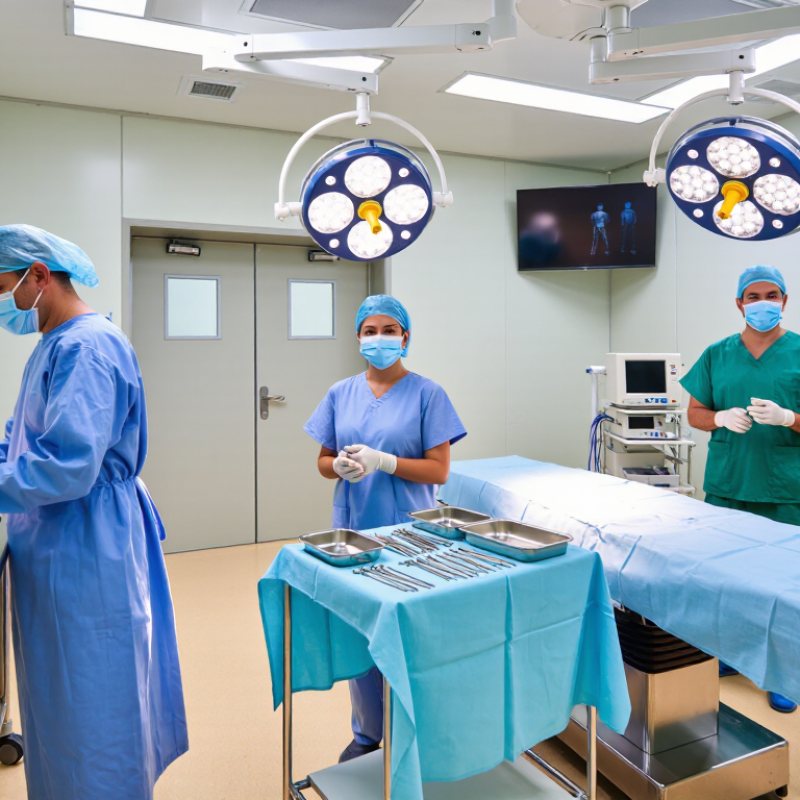
Understanding Infection Risks After Orthopedic Surgery
China Best: How to Prevent Infection After Orthopedic Surgery?
Understanding Infection Risks After Orthopedic Surgery
Orthopedic surgery can leave an incision, implanted hardware, or both. These areas may become vulnerable while tissues heal. Infection risk varies with diabetes, smoking, poor circulation, obesity, immune problems, and longer operations. A clean hospital environment helps, but it cannot remove every risk. That is an uncomfortable fact.
Patients should wash their hands before touching the dressing or incision. Keep the wound dry as instructed by the surgical team. Do not apply creams, powders, or household disinfectants without medical advice. A clean dressing is useful only when changed correctly. Follow the prescribed antibiotic plan exactly, and never save leftover tablets for later.
Watch the wound each day in good light. Increasing redness, warmth, swelling, worsening pain, cloudy drainage, or a bad smell needs prompt medical attention. Fever, chills, confusion, or unusual weakness may signal a deeper infection. Contact the surgeon urgently if these symptoms appear. Do not wait for the next appointment. A small amount of bruising can be normal, yet patients sometimes mistake spreading redness for routine healing. Checking the incision alone is not enough; pain, movement, and general health matter too. Blood sugar control, adequate protein, gentle movement, and avoiding tobacco can support recovery. Still, some infections occur despite careful behavior, so honest communication with the orthopedic team remains essential.
Understanding Infection Risks After Orthopedic Surgery
Surgical-site infection rates vary by procedure, patient health, injury severity, and postoperative care. Open fractures and emergency fracture surgery generally carry higher risks than elective joint replacement.
Approximate rates shown are representative values from ranges reported in orthopedic surgical literature; they are not individual risk predictions. Infection prevention includes appropriate antibiotic timing, sterile surgical technique, glucose control, smoking cessation, wound care, and early evaluation of fever, increasing pain, redness, drainage, or wound separation.
Preparing for Surgery to Reduce Infection Risk
Preparing for Surgery to Reduce Infection Risk
Infection prevention begins before entering the operating room. The WHO Global Guidelines for the Prevention of Surgical Site Infection report that about 11% of surgical patients in low- and middle-income countries develop infections. Orthopedic surgery deserves extra care because implants can provide surfaces where bacteria persist. Ask your surgeon about diabetes control, smoking cessation, nutrition, and any skin infection. Even a small cut near the planned incision should be reported.
Keep the plan practical. Shower as instructed, usually on the night before or morning of surgery, using clean water and regular soap unless your team recommends otherwise. Do not shave the surgical area yourself. The CDC advises using electric clippers only when hair removal is necessary. Wash bedding, prepare clean clothes, and arrange transportation before admission. These details feel ordinary.
They still matter.
Tell the clinical team about allergies, previous resistant infections, dental problems, and every medicine or supplement. Antibiotic timing should follow local surgical protocols, not personal preference. WHO guidance recommends giving prophylactic antibiotics before incision when indicated, then avoiding unnecessary prolonged use. I used to think more antibiotics meant more protection. That assumption needs questioning. Follow fasting instructions carefully, and do not conceal a fever, cough, or draining wound. Clear communication may prevent a postponed operation or a deeper implant-related infection.
Recognizing Early Signs of Infection
After orthopedic surgery, early infection signs may appear quietly. Watch the incision each day, preferably under similar lighting. Increasing redness, warmth, swelling, or tenderness deserves attention, especially after initial improvement. Cloudy drainage, bad odor, wound separation, or bleeding that will not stop is more concerning. A fever above 38°C, chills, unusual fatigue, or rapidly worsening pain also requires prompt medical advice.
Do not wait for severe pain. Deep joint infections can develop without dramatic skin changes. The American Academy of Orthopaedic Surgeons reports that periprosthetic joint infection affects about 1% of primary hip and knee replacements, with higher risks in some patients. The CDC’s surgical-site infection guidance identifies drainage, redness, pain, and fever as important warning findings. These signs are not proof of infection, but they should not be dismissed.
Keep the dressing clean and dry, and follow the surgical team’s instructions. Do not squeeze the wound or apply unapproved creams. Take a photo when redness appears, then compare its size later. That simple record can help clinicians judge progression. A warm incision may be normal early on. Worsening warmth is different. Contact the surgical team promptly, and seek urgent care for confusion, faintness, breathing difficulty, or rapidly spreading redness. I once underestimated a small change in drainage; that was a reminder that “small” does not always mean harmless.
Medical Treatment and Recovery After a Surgical Infection
After orthopedic surgery, infection can develop around the wound, bone, or implanted hardware. Watch for increasing redness, warmth, swelling, drainage, fever, or pain that suddenly worsens. Do not wait for the wound to look dramatic. According to the World Health Organization, surgical-site infections affect about 11% of surgical patients in low- and middle-income settings. Early assessment matters because delayed treatment can threaten bone healing and joint function.
Treatment depends on the infection’s depth, timing, and bacterial culture. A surgeon may order blood tests, imaging, or a wound sample before selecting antibiotics. Some patients need surgical cleaning while the implant remains in place. Others require implant removal after the bone becomes stable. Recovery may include weeks of antibiotics, dressing changes, physiotherapy, and limited weight-bearing. It is not always predictable. I have seen patients improve, then struggle again after doing too much too soon. That setback deserves honest review, not blame. The CDC recommends careful wound monitoring, hand hygiene, and evidence-based antibiotic use.
Tips:
Keep the incision clean and dry as instructed. Wash hands before touching dressings. Record temperature and drainage changes. Never stop antibiotics early without medical advice. Avoid smoking and unapproved supplements during healing. Contact the orthopedic team quickly if pain, swelling, or discharge increases. Recovery needs patience. Small details matter.
Conclusion
Preventing infection after orthopedic surgery requires attention before, during, and after the procedure. Patients can lower their risk by following preoperative instructions, keeping the body clean, managing conditions such as diabetes, stopping smoking when advised, and informing the medical team about existing illnesses or medications. Understanding personal risk factors also helps patients prepare realistic recovery plans and follow safety guidance carefully.
How to prevent infection after orthopedic surgery also depends on proper wound care and early recognition of warning signs. Keep the incision clean and dry as instructed, wash hands before touching the dressing, avoid unnecessary pressure or scratching, and attend all follow-up appointments. Increasing redness, warmth, swelling, drainage, worsening pain, fever, or an unusual odor may indicate infection and should be reported promptly. If an infection develops, medical treatment may include examination, laboratory testing, wound care, and prescribed medication. Following the treatment plan and rehabilitation guidance can support healing and help prevent complications.
 Pure Orthopedic Implants
