2026 Top Signs of Infection Around Implants?

Time:2026-10-10 Author:Aria
0%

Infection around an implant can begin quietly, then become difficult to ignore. A tender gum, persistent swelling, or bleeding during brushing may signal trouble. Sometimes, the only early clue is a dull ache when chewing. Other patients notice a bad taste, unpleasant odor, or fluid near the implant. These details matter, even when discomfort seems minor.

So, what are the signs of infection around implants? Common warning signs include increasing redness, warmth, pus, gum recession, and looseness. A dental implant should not feel mobile under normal pressure. Fever, facial swelling, or worsening pain requires prompt professional attention. Do not wait for severe symptoms. The infection may already be affecting nearby bone.

This guide examines the top signs clinicians monitor in 2026. It also explains how symptoms can differ between early and advanced implant infections. A qualified dentist or oral surgeon may inspect the tissues, measure pocket depth, and obtain dental imaging. In selected cases, laboratory testing helps identify the cause. However, symptoms alone cannot confirm an infection. Peri-implant inflammation, trauma, or trapped food can look similar. That distinction is easy to miss.

Clinical experience shows that early assessment often supports simpler care. Still, no checklist replaces an examination. If swelling spreads, swallowing becomes difficult, or you develop fever, seek urgent medical care. Implant problems deserve careful evaluation, not guesswork.
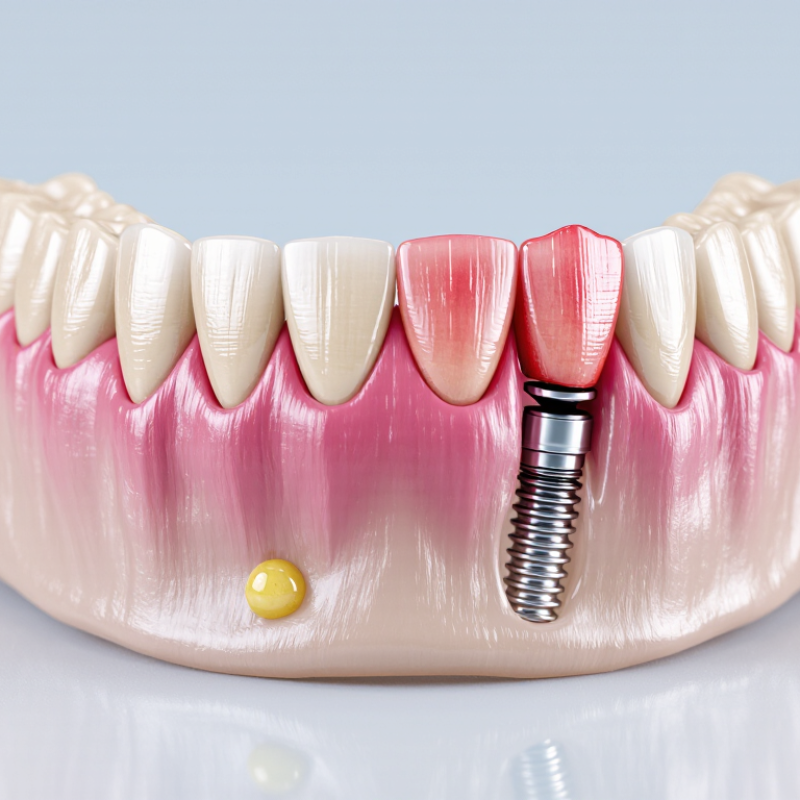
2026 Top Signs of Infection Around Implants?

What Implant-Related Infections Are and Why They Develop

An implant-related infection occurs when bacteria reach the tissue surrounding an implanted device and multiply there. This may involve a dental implant, joint replacement, or another surgically placed implant. The infection can affect skin, soft tissue, bone, or the implant surface itself.

Bacteria may enter during surgery, through a wound, or from nearby infections. Some bacteria form a biofilm, a thin protective layer that makes treatment more difficult. Poor wound healing, diabetes, smoking, reduced immunity, and inadequate cleaning can increase risk. However, infection can develop even when care appears excellent. That uncertainty matters.

Warning signs include increasing redness, warmth, swelling, tenderness, cloudy drainage, unpleasant odor, or a wound that remains open. Fever may occur, but not always. Around a dental implant, bleeding gums, persistent bad taste, or implant looseness deserve attention. Around an orthopedic implant, new pain, reduced movement, or unusual joint warmth may be important.

The picture is rarely perfect. Normal healing can resemble early infection, while a serious infection may look mild. Clinicians usually assess the wound, review symptoms, and sometimes use imaging, blood tests, or tissue cultures. Do not remove or press the implant yourself. Prompt medical evaluation is especially important when pain worsens, drainage increases, or fever develops.

Early Warning Signs of Infection Around a Dental Implant

Early infection around a dental implant often whispers rather than hurts. During brushing, notice bleeding, redness, or swelling beside the implant. A persistent bad taste or odor can signal fluid beneath the gum. The area may feel tender when chewing. Sometimes, there is no pain.

That quiet pattern matters. A 2015 systematic review in the Journal of Clinical Periodontology estimated peri-implantitis in about 22% of patients and 14.5% of implants, although definitions varied. The European Federation of Periodontology’s S3 guideline identifies bleeding on probing, deeper pockets, pus, and progressive bone loss as important findings. These signs do not confirm infection at home. A loose crown, changed bite, or visible discharge needs prompt assessment. Do not wait for severe pain.

At an appointment, a dental professional compares probing measurements with earlier records and checks X-rays for bone changes. Smoking, uncontrolled diabetes, previous gum disease, and irregular maintenance may increase risk. Still, risk is not destiny. One common mistake is dismissing light bleeding as normal after healing. That assumption can delay care. Not every sore gum means infection. Trapped food, brushing trauma, or a loose restoration may look similar. A careful examination matters when bleeding repeats, swelling persists, or the implant feels different.

Advanced Symptoms That May Indicate Peri-Implant Disease

Persistent bleeding around an implant deserves attention, especially when it appears during gentle brushing. Advanced peri-implant disease may cause swelling, pus, a bad taste, or a deeper gum pocket. Some patients report dull pressure rather than sharp pain. That can be misleading. Peri-implantitis may progress quietly while supporting bone is lost.

A 2018 systematic review in the Journal of Dental Research estimated peri-implantitis in about 19.8% of patients and 9.3% of implants.

Clinical assessment usually combines bleeding or suppuration, increased probing depth, and radiographic bone loss. A dark, crater-shaped defect on an X-ray can be significant. Implant movement is a late warning sign, not a useful early test. Waiting for looseness is a common mistake.

The 2023 European Federation of Periodontology guideline emphasizes regular maintenance and individualized risk assessment. Smoking, previous periodontitis, poor plaque control, and uncontrolled diabetes can increase concern. A clinician may compare current X-rays with earlier images and measure each implant site. This comparison matters more than one isolated reading.

I would not assume every red gum means infection; trauma, excess cement, or poor cleaning access can look similar. Persistent symptoms, drainage, or new bite changes should prompt professional examination soon. Home rinses may reduce odor, but they cannot reveal bone loss or replace diagnosis.

How Clinicians Diagnose Infection Around an Implant

Infection around an implant can appear as redness, swelling, warmth, drainage, or increasing pain. Fever may occur, but its absence does not exclude infection. Some patients notice only tenderness during chewing or movement. Symptoms can develop slowly, especially around a healing implant. Diagnosis is not always neat.

Clinicians begin with a detailed history, including surgery dates, wound changes, medications, and previous infections. They inspect the skin or gum, check tenderness, drainage, stability, and surrounding tissue. Blood tests may show inflammation, but normal results can be misleading. Imaging helps reveal fluid collections, bone loss, or changes around the implant. When fluid is present, clinicians may collect a sample for laboratory testing. Culture results can guide treatment, although prior antibiotics may produce a false negative.

Tips: Do not squeeze drainage or adjust the implant yourself. Photograph changes with a date for comparison. Seek prompt clinical assessment when pain increases, redness spreads, drainage appears, or the implant feels loose. Bring your medication list and surgical records. Mention any recent antibiotics. Small details matter. However, diagnosis still requires judgment. A painful implant is not automatically infected; mechanical irritation, allergy, or normal healing can look similar. Experienced clinicians compare several findings instead of relying on one test.

2026 Top Signs of Infection Around Implants

How Clinicians Diagnose Infection Around a Hip or Knee Implant

This chart summarizes the preoperative points used in the 2018 International Consensus Meeting criteria for suspected chronic periprosthetic joint infection. Elevated inflammatory markers, abnormal joint-fluid findings, and positive infection biomarkers increase diagnostic suspicion. Pain, swelling, warmth, drainage, fever, and reduced function may be important clinical warning signs, but no single sign or test confirms infection on its own.

The scoring system is designed for hip and knee periprosthetic joint infection and should not be applied unchanged to every type of implant. Clinicians interpret results together with physical examination, imaging, cultures, and the patient’s medical history.

When Implant-Related Symptoms Require Prompt Professional Care

Signs of Infection Around Dental Implants in 2026

When implant-related symptoms require prompt professional care, timing matters. Red, swollen gum tissue may indicate peri-implant mucositis, especially when bleeding occurs during brushing. Pus, a persistent bad taste, worsening pain, or an implant that feels loose needs faster assessment. Fever, facial swelling, or difficulty swallowing requires urgent medical attention. Do not wait for severe pain. Infection can progress quietly.

The 2017 World Workshop on the Classification of Periodontal and Peri-Implant Diseases reported peri-implantitis in approximately 19% to 22% of implants, depending on the diagnostic definition. The same consensus highlighted bone loss and inflammation as key findings. A dental professional may use probing, dental imaging, and bite evaluation to separate infection from excessive loading or poor cleaning. Symptoms alone cannot confirm the cause. That distinction is easy to underestimate.

Tips: Gently clean around the implant with a soft brush and suitable interdental aid. Avoid smoking during healing. Do not scrape the area or use leftover antibiotics. Record bleeding, swelling, discharge, and changes in chewing comfort. Contact your dentist or periodontist promptly, particularly if symptoms worsen within 24 to 48 hours. Regular maintenance remains important, even when the implant feels normal. Health records can help reveal patterns that memory misses.

FAQS

What symptoms may suggest advanced disease around a dental implant?

Persistent bleeding, swelling, pus, bad taste, or deeper gum pockets deserve attention. A dull pressure can occur. Sharp pain is not required.

Can peri-implant disease progress without severe pain?

Yes. Bone loss may continue quietly while discomfort remains mild. Waiting for strong pain can be misleading. That is an easy mistake.

Is a loose implant an early warning sign?

Usually, no. Movement may indicate advanced support loss. Do not use looseness as your first test. Earlier checks matter more.

When should someone seek prompt professional care?

Contact a dental professional when bleeding, drainage, pain, or swelling persists or worsens. Changes within 24 to 48 hours need attention. Do not wait.

Which symptoms require urgent medical attention?

Fever, facial swelling, or difficulty swallowing requires urgent evaluation. These signs may indicate spreading infection. Home care is not enough.

How can a clinician assess possible implant disease?

The clinician may measure gum pockets, check bleeding, examine your bite, and take dental images. Comparing new images with older ones can reveal bone changes. One reading may mislead.

Do red gums always mean peri-implant infection?

No. Trauma, excess cement, or difficult cleaning access may look similar. Symptoms alone cannot confirm the cause. I would avoid guessing.

What can I do at home before an appointment?

Gently clean around the implant with a soft brush and suitable interdental aid. Avoid smoking during healing. Do not scrape the area or use leftover antibiotics.

Can mouth rinses replace professional treatment?

No. Rinses may reduce odor, but they cannot show bone loss or confirm a diagnosis. Keep maintenance visits, even when the implant feels normal. Normal feeling is not proof.

Which factors may increase the risk of implant complications?

Smoking, previous gum disease, poor plaque control, and uncontrolled diabetes may increase concern. Risk is individual. It is not a prediction.

Conclusion

Implant-related infections develop when harmful bacteria accumulate around a dental implant and irritate the surrounding gum and bone. Early signs may include persistent redness, swelling, tenderness, bleeding during brushing, unpleasant taste or odor, and fluid discharge near the implant. These symptoms should not be ignored, especially if they continue or worsen.

What are the signs of infection around implants when the condition becomes more advanced? Patients may experience increasing pain, gum recession, deepened spaces around the implant, difficulty chewing, or a feeling that the implant is loose. Clinicians evaluate the area through an oral examination, probing, dental imaging, and a review of the patient’s symptoms and medical history. Prompt professional care is important when swelling, pus, fever, severe discomfort, or implant movement occurs, because early assessment may help prevent further damage to the supporting tissues and improve the chances of maintaining oral function.

Aria

Aria

Aria is a dedicated marketing professional with a deep passion for innovative strategies and a keen understanding of our company's product offerings. With a wealth of experience in the industry, Aria excels at crafting engaging content that highlights the unique features and benefits of our......